The Silent Sprint: Four Years and 15,000 km with the Ather 450X
An honest look at battery longevity, software maturity, and the pure adrenaline of navigating Bangalore's traffic gridlock over a four-year journey.
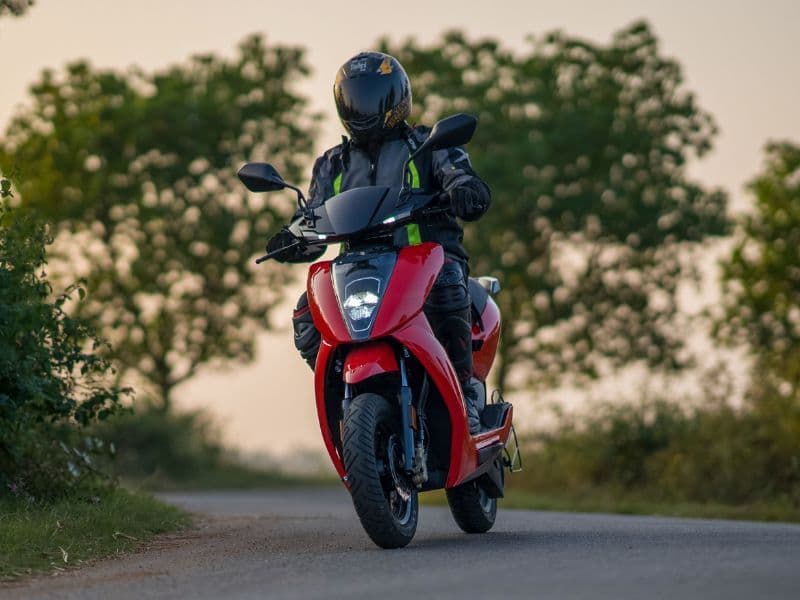
The Traffic Signal Launchpad
If you want to understand what it feels like to own an electric vehicle in Bangalore, you have to stand at the white line of a major intersection when the traffic signal is counting down to green.
It is an exercise in pure sensory overload. Around you is a restless, roaring orchestra of internal combustion engines—hundreds of commuters with their feet hovering over gear levers and hands twisting throttles, all preparing to aggressively claim the same patch of asphalt the second the light changes.
In the middle of this chaos, I sit in complete, vibrationless silence.
As the countdown hits three seconds, a childish instinct takes over, backed by pure practicality. I click the screen into Warp Mode, the dashboard glows. The light turns green, the pack lets out a collective roar, and I twist the throttle. Instead of the delayed grunt of a petrol engine, there is an instantaneous surge of energy accompanied by a distinctive, futuristic whistle—a sound that feels like it was lifted straight out of a sci-fi film.
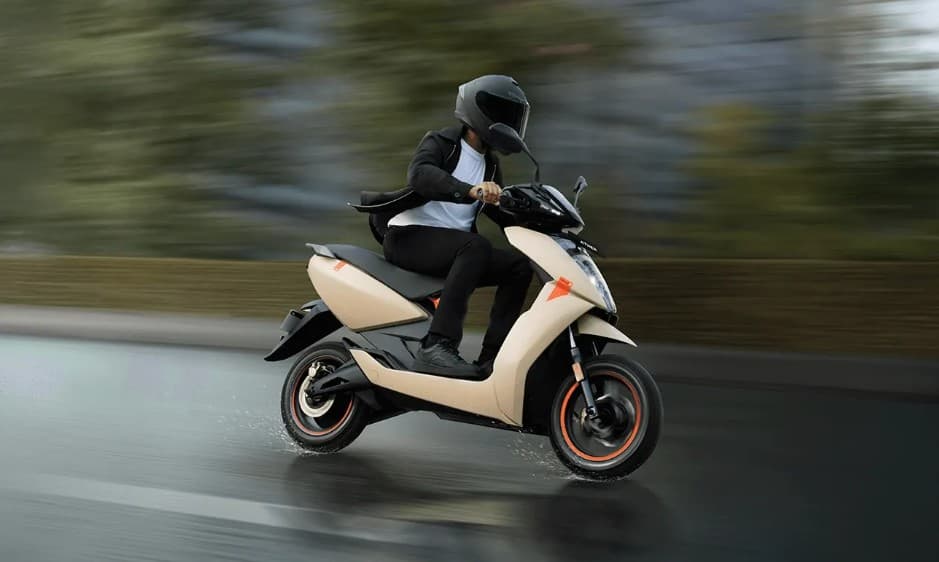
Before the commuters next to me can even engage their clutches, I have flown past them, securing a clean, effortless head start. That sudden kick of adrenaline, combined with the absolute distinction of leaving the noise behind in a silent zip, is a feeling that hasn't faded in four years.
The Post-COVID Gamble
I didn't buy the Ather 450X Gen 3 just for the traffic signal sprints, though. In 2022, as the world began to normalize post-COVID, I was three years into my software engineering career and looking for a long-term, reliable daily tool for a demanding 40 km urban commute. I wasn’t looking for a weekend toy; I wanted a mature, concrete product built for longevity.
Back then, entering the EV market felt like buying into a public beta test. The design principles of the Ather around 2022 felt incredibly futuristic, but the skepticism from petrol-purists was loud. I spent days visiting showrooms and analyzing test drives across the few options available: Ather, Ola, and the still-unreleased Simple One.
While Ola’s S1 series had its tech perks, it felt like an unfinished software product. Simple One was still a ghost in the market. Ather felt different—it felt robust, mechanically sound, and tight enough to trust on open highways at 70 km/h. I put my hard-earned money down, and a 15,000-kilometer journey began.
The Realities of the Battery: Perks and Panics
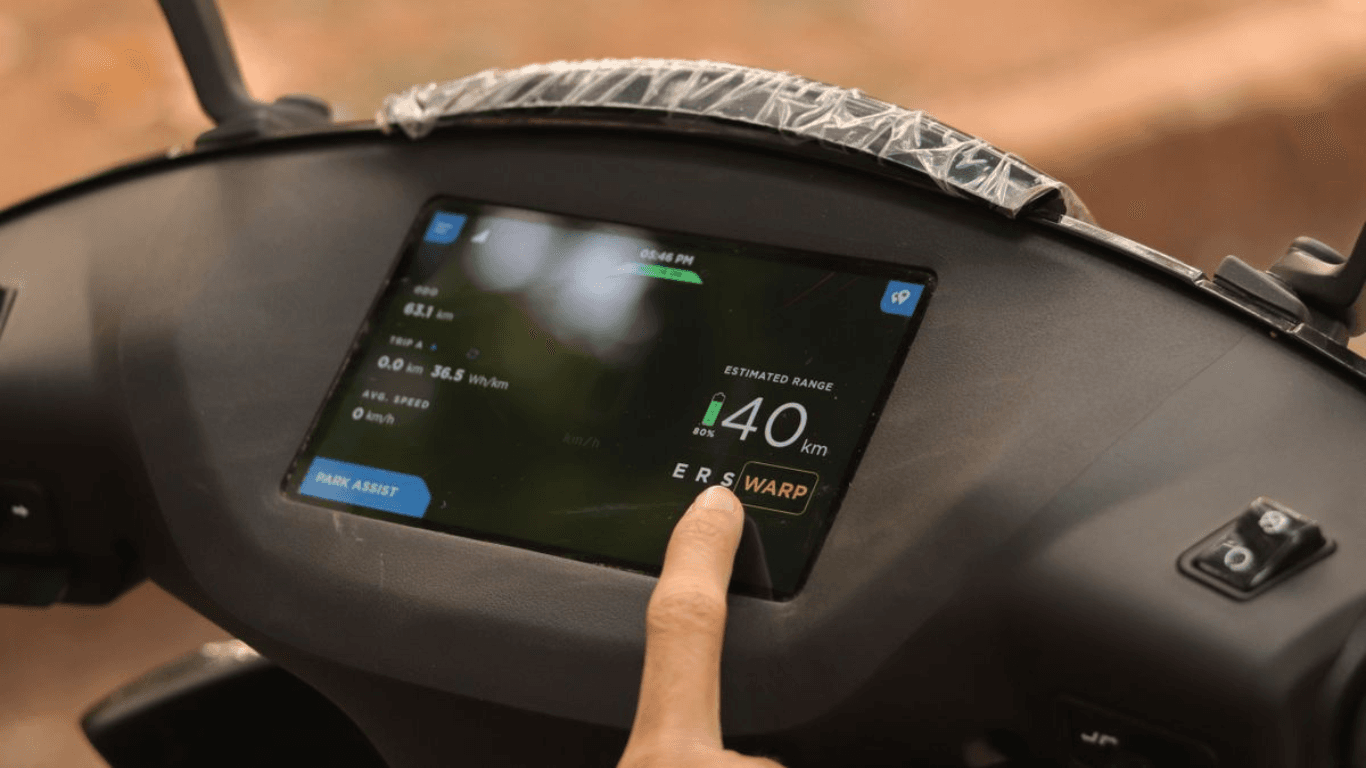
Living with an electric vehicle over a long period forces you to understand the nuance of battery behavior. The ultimate perk of the Ather Gen 3 has been its phenomenal battery health retention. Even after four years of continuous concrete pounding, the degradation is practically unnoticeable. While the official Indian Driving Cycle (IDC) range sits at 105 km, my real-world mileage consistently delivers between 90 to 100 km on a full charge, fluctuating slightly depending on how hard I use Warp mode or the weight of what I'm carrying.
But an honest story requires the flip side: the 20% threshold.
Range anxiety is a real psychological shift. The moment the digital battery meter drops into the twenties, a subtle instinctual panic kicks in. To preserve every available drop of juice, the scooter's brain dynamically disables certain high-performance functionalities and limits your speed. It is a highly practical piece of engineering designed to ensure you never get stranded, but as a rider, watching the machine pull back its power creates an immediate, urgent mission to locate the nearest plug.
The Mechanical Sandbox & The Local Service Reality
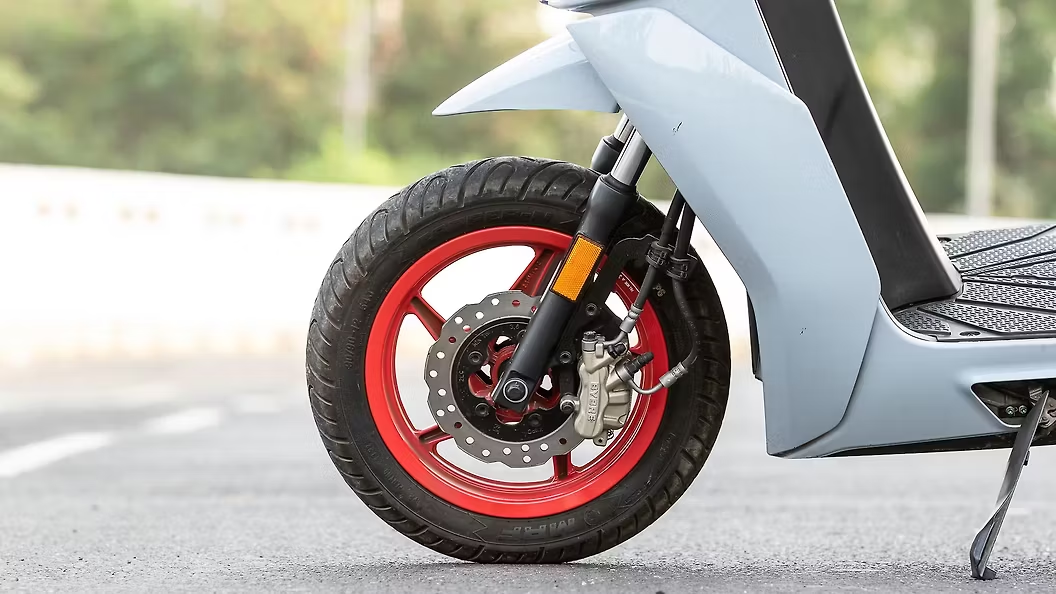
Mechanically, the platform has been bulletproof. Over 15,000 km, the scooter has only seen the service bay four or five times in total. Two of those were routine periodic check-ups, and another two were minor adjustments for light belt tension.
The only major disruption I ever faced was an external Bangalore rite of passage: a severe rat bite that chewed through the wiring. Even then, Ather’s core technical turnaround shined. Standard services were consistently delivered within a single day, and the complex rodent damage took just forty-eight hours to resolve.
However, while the mechanical platform is solid, the brick-and-mortar service network can be highly inconsistent. Because it's an EV, you visit the service center rarely, but when you do, your zip code matters. Being based in North Bangalore, I’ve found that the service outlets directly near Hebbal and Yelahanka are distinctly average and not quite up to the mark.
To get satisfactory work done, I've had to travel clear across to Peenya or use the J.P. Nagar service center. Other major hubs like Koramangala or Wilson Garden enjoy highly professional reviews and exceptional staff praise, but for those of us navigating the northern perimeter, a more reliable local service footprint remains a missing piece of the puzzle.
Software Evolution & Ecosystem Fatigue
As an engineer, watching their software mature via Over-The-Air (OTA) updates has been immensely satisfying. They didn't focus on gimmicky features; they integrated concrete utilities like Auto-Hold, Fall-Safe triggers (which kill the motor if the bike slips sideways), and a highly accurate, lag-free Google Maps display right on the dash. The energy algorithm is incredibly linear—if it tells you that you have exactly 1 km of range left, it will give you that kilometer. There are no volatile percentage drops.
The public infrastructure supports this lifestyle beautifully. Ather's Hypercharger fast-charging grid is heavily saturated across Bangalore, capable of pushing the battery from 0% to 60% in a reliable 40 to 45 minutes.
However, the post-purchase ecosystem has room to evolve. The data features—Ather Connect—are bundled with the scooter initially, but eventually transition into a paid subscription model. I chose to let my subscription lapse a year ago. The reality is that you can easily bypass the cost by mounting your phone to the handlebars for navigation. Ather should consider making this connectivity plan complimentary for five years or pricing its multi-year renewals far more affordably to combat subscription fatigue. Similarly, while public fast-charging costs have risen, the uptime and vast footprint of the grid make it an expense that is still ultimately justifiable.
The Four-Year Verdict
Four years ago, buying an EV felt like taking a leap of faith into an unproven future. Today, crossing the 15,000 km mark, the Ather 450X has proven to be a remarkably robust, rock-solid platform. It is a machine that bridges the gap between sophisticated software engineering and raw mechanical endurance.
And every now and then, when the city traffic gets a bit too heavy, it still lets you feel like a kid flying past the noise at the drop of a green light.